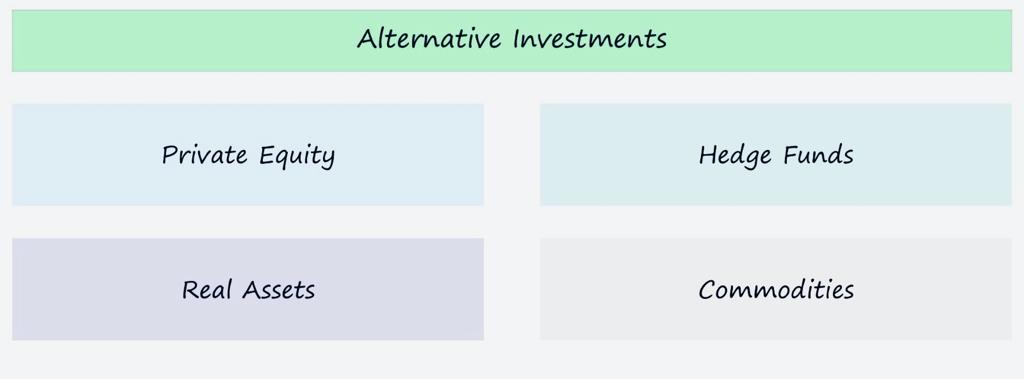
Understanding Alternative Assets:
Alternative assets extend beyond stocks, bonds, and cash, encompassing real estate, private equity, hedge funds, commodities, infrastructure, and more. Unlike traditional assets, alternative investments often require a longer investment horizon and have lower liquidity.
1. Diversification through Real Estate:
Real estate is a prominent alternative asset class. Diversification is a key strategy, involving different property types and geographical regions to reduce risk.
2. Private Equity and Venture Capital:
Private equity and venture capital entail investing in private companies, known for potential substantial returns. A sound strategy includes due diligence, extensive research, and diversifying investments to mitigate risk.
3. Hedge Funds for Risk Management:
Hedge funds employ various strategies to generate returns. Effective management involves selecting managers with strong track records aligned with investors' risk tolerance.
4. Commodities and Natural Resources:
Commodities like gold and oil hedge against inflation and diversify portfolios. Managing them involves monitoring supply, demand, geopolitical events, and macroeconomic factors.
5. Infrastructure Investments:
Infrastructure projects offer stable cash flows and long-term potential. The strategy focuses on projects with reliable revenue streams and minimal regulatory risks.